
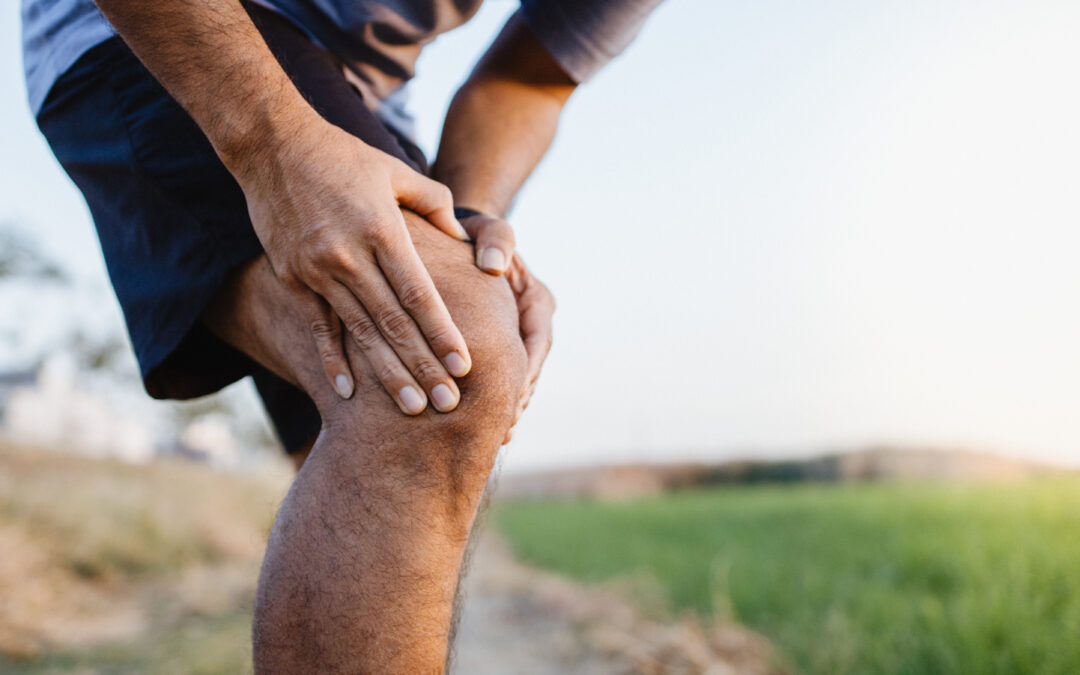
Understanding Joint Health Fundamentals
How your body’s moving parts actually work together is where joint pain prevention starts. Between bones, cartilage acts as a cushion; synovial fluid keeps everything lubricated and smooth. Movement feels effortless and pain-free when these systems function properly.
But here’s what many people don’t realize. Its own blood supply isn’t something cartilage has, so movement is relied upon to get nutrients. Hours of sitting at a desk or avoiding activity because of minor discomfort can actually make joints stiffer over time. “Use it or lose it” applies directly to joint health.
Building Strength Around Your Joints
Natural shock absorbers for your joints are what muscles act as. Pressure is taken off the joint structures themselves when the muscles around your knees, hips, and shoulders are strong. This becomes particularly important for adults dealing with early joint stiffness or pregnant women experiencing new physical demands.
Most people find that simple resistance exercises work well. The muscles around your knees and hips are strengthened by bodyweight squats. Shoulder stability is targeted through wall push-ups. Even a 30-second plank builds core strength that supports your spine. Starting where you are and building gradually is the key. Consistency with basic movements creates noticeable improvements within weeks, which is what many of our Oshawa clients find.
Daily Movement Patterns That Matter
Joint health is shaped more by your daily habits than by occasional gym sessions. Patterns that either support or stress your joints are created by how you sit, sleep, and move throughout the day. Over time, small adjustments can make a meaningful difference.
Take posture, for example. Extra pressure is put on your spine by slouching at your desk; tension that travels to your shoulders and neck can be created. These patterns are helped to break by setting a reminder to check your posture every hour. Plus, the movement your joints need to stay lubricated is given through taking short walking breaks.
The Role of Flexibility and Mobility
Joints are pulled on in ways that create unnecessary wear and tear by tight muscles. The natural range of motion your joints need for healthy function is helped to be maintained through regular stretching and mobility work. This becomes especially important as we age or during pregnancy when tissue flexibility is affected by hormonal changes.
Anywhere can be where gentle yoga, basic stretching routines, or even simple movements like shoulder rolls and neck stretches are done. Becoming extremely flexible isn’t the goal, but maintaining the mobility you need for daily activities is. 10 minutes of stretching in the morning helps them feel more comfortable throughout the day, which is what many people find.
Lifestyle Factors That Support Joint Health
How well your body repairs joint tissues overnight is affected by sleep quality. Inflammation can be increased and existing joint discomfort made worse by poor sleep. Your body’s natural healing processes are supported by creating a comfortable sleep environment and maintaining consistent sleep schedules.
A bigger role than most people expect is played by hydration. The synovial fluid that lubricates your joints can be reduced by dehydration, leading to stiffness and discomfort. Optimal joint function is helped to be maintained by drinking water throughout the day, rather than trying to catch up all at once. Funny thing, really.
Nutrition for Long-Term Joint Health
Inflammation levels throughout your body, including in your joints, are influenced by what you eat. Anti-inflammatory properties that may help protect joint tissues over time are had by foods rich in omega-3 fatty acids, like salmon and walnuts. Overall tissue health is supported by antioxidants provided by colorful fruits and vegetables.
On the flip side, inflammation can be promoted by highly processed foods and excess sugar. A perfect diet isn’t what this means you need, but being mindful of these patterns can make a difference. Reducing processed foods and increasing whole food intake helps them feel better overall, including in their joints, which is what many people notice.
Creating Your Personal Prevention Plan
One you’ll actually follow is what the most effective joint pain prevention plan is. Activities you enjoy and habits that fit into your current lifestyle are what this means choosing. For some people, morning walks around their Oshawa neighborhood might be that. Evening stretching routines or weekend swimming sessions could be it for others.
Small, manageable changes should be started with rather than trying to overhaul everything at once. More sustainable than ambitious workout plans that fade after a few weeks can be adding a 10-minute walk to your lunch break or doing basic stretches while watching TV. Patterns that support your joints for years to come are what the goal is creating. If a personalized approach to joint health that fits your specific needs and lifestyle is what you’re ready to develop, our comprehensive wellness services can be learned more about by visiting our website.
FAQ:
Q: What’s the best exercise for preventing joint pain? Look, there isn’t one exercise that prevents all joint issues. Swimming, walking, and resistance training are typically what’s recommended by most professionals as low-impact activities. Movement that strengthens muscles around joints without excessive stress is the goal. Intensity matters less than consistency.
Q – How often should I exercise to protect my joints? 150 minutes of moderate activity weekly is suggested by most guidelines, broken into manageable chunks. That could be 30 minutes, five days a week, or even three 10-minute sessions daily. Regular movement is what your joints are designed for. Rest days are important too.
Q: Can diet really affect joint health? Fair point to ask. Joint function over time has been shown to be supported by anti-inflammatory foods like fatty fish, leafy greens, and berries. Inflammation throughout the body, including in joint tissues, can be increased by processed foods and excess sugar. Hydration plays a role too. That still surprises people.