
Understanding the Combined Approach
Multiple factors working together are often involved in neck and shoulder pain. Poor posture is created by tight muscles, which leads to joint stiffness; more muscle tension gets created from this. It’s a cycle that sometimes struggles to be broken completely by single treatments.
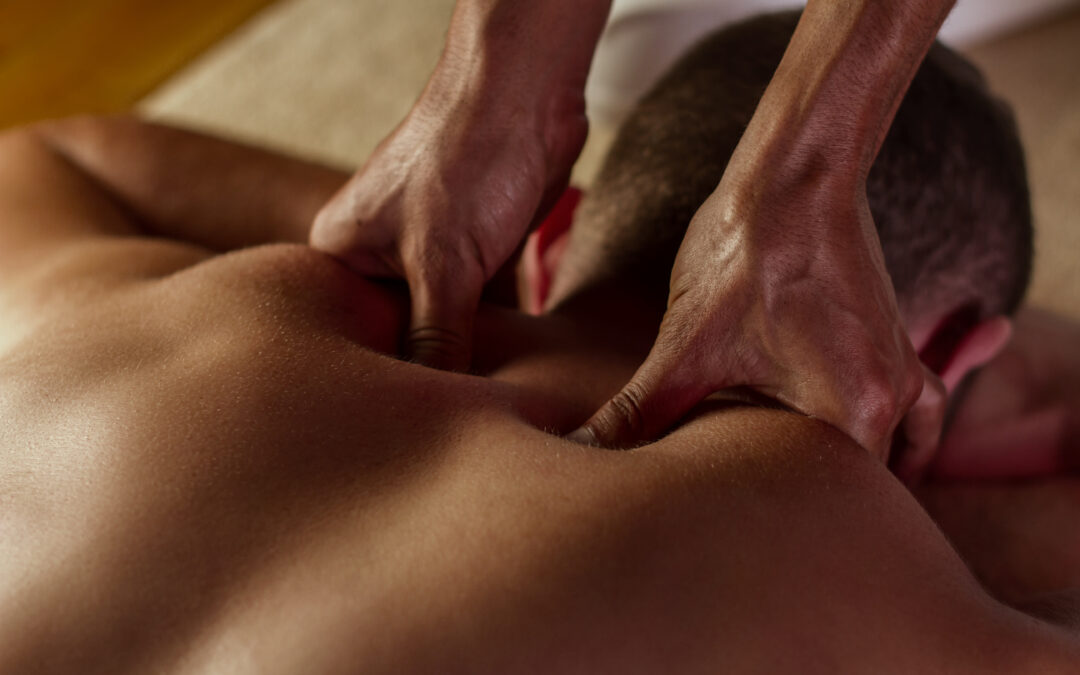
The immediate muscle tension and pain are addressed by massage therapy. Blood flow is improved and trigger points are released through the hands-on work. But the underlying movement problems that caused the tension in the first place don’t always get fixed by it.
Those root causes are tackled by physiotherapy. How you move is assessed by your therapist, weak spots get identified, and exercises to improve strength and posture are taught. Yet without the existing muscle tension being addressed first, the exercises are found uncomfortable or difficult to perform correctly by some people.
How the Treatments Complement Each Other
This was experienced firsthand by Sarah, a teacher from Oshawa. Hours of looking down at papers and computer screens started her neck pain. Temporary relief was provided by massage therapy, but the pain kept returning.
Things changed when physiotherapy sessions were added by her. The strengthening exercises were made more receptive to her muscles by the massage work. The improvements between massage sessions were helped to be maintained by the physiotherapy.
Massage therapy twice a week initially was involved in her treatment plan, with physiotherapy once a week. The frequency was adjusted as her condition improved. Both her immediate pain and the underlying postural issues causing it were addressed by the combination approach.
Timing and Coordination Matter
A difference can be made by the sequence of treatments. Starting with massage therapy to reduce acute pain and muscle guarding is preferred by some practitioners. More effective physiotherapy assessment and treatment are allowed by this approach.
Physiotherapy is begun by others to establish baseline movement patterns and identify specific problem areas. The muscle tension that physiotherapy exercises might initially aggravate gets addressed when massage therapy is added.
The treatments happen on alternating days in many cases. Overworking the tissues is prevented by this schedule while consistent progress gets maintained. Time to respond to each intervention is given to your body.
What to Expect During Combined Treatment
More frequent sessions are typically involved in your first few weeks, as both therapists work to understand your condition. Communication between providers becomes important here.
Massage therapists and physiotherapists who collaborate regularly are had by many Oshawa wellness clinics. Notes about your progress are shared by them and treatment plans get adjusted accordingly. Conflicting approaches are prevented by this coordination and both treatments working toward the same goals is ensured.
Different measurements of progress are gotten with each treatment. Pain levels and muscle tension might be focused on by massage therapy. Range of motion, strength improvements, and functional movement patterns are tracked by physiotherapy.
Long-term Benefits and Maintenance
Better long-term outcomes than either treatment alone are often led to by the combined approach. Less frequent flare-ups and improved ability to manage their condition independently are frequently reported by patients.
Treatment frequency typically decreases as your condition improves. Monthly massage therapy for maintenance might be continued by you while physiotherapy exercises are done at home. Occasional tune-up sessions are found to be needed by some people when work stress or seasonal activities increase their symptoms.
Preventing future episodes is where the skills learned during physiotherapy become particularly valuable. Proper posture awareness, strengthening exercises, and movement modifications can be applied daily. Ongoing support for muscle health and stress management is provided by massage therapy.
Making the Decision That’s Right for You
Every person’s situation is different; what works for one might not work for another. Your specific diagnosis, pain levels, lifestyle, and previous treatment experiences all play a role.
Consulting with both types of practitioners is usually involved in the best approach. Your condition can be assessed by them and whether combined treatment makes sense for your situation can be recommended. Starting with one treatment and adding the other based on initial results works well, many people find.
If persistent neck and shoulder pain in Oshawa is being dealt with by you, exploring both options should be considered. The comprehensive care your condition needs might be provided by the combination approach. Visit our website to learn more about coordinated treatment options.
FAQ:
Q: How soon can I start both treatments? One treatment first will usually be recommended by your healthcare provider, then the second gets added within a week or two. Your response can be monitored through this approach. That still surprises people.
Q – Will insurance cover both treatments at the same time? Look, both massage therapy and physiotherapy are covered by most extended health plans in Ontario. Coverage amounts vary by plan. Your benefits should be checked or direct billing options can be asked about with your provider.
Q: Which treatment should I try first? Fair point to ask. Physiotherapy is often started by many practitioners to assess movement patterns, then massage therapy gets added to address muscle tension. Your specific condition and pain levels determine the order.
Q: How often should I have both treatments? Funny enough, this varies quite a bit. 2-3 sessions per week total are typically started with by most people, split between both treatments. Your progress gets monitored and frequency is adjusted accordingly.