
Initial Consultation and Health History
The conversation usually starts before you even sit down. Not just where it hurts is what your physiotherapist wants to understand, but how the pain affects your daily life in Oshawa. Do stairs at the GO station cause problems? Does carrying groceries become difficult? These details matter more than you might think; the health history portion covers previous injuries, surgeries, medications, and general activity levels. Most people are surprised by how thorough this discussion becomes. Important details they’d forgotten to mention to their family doctor are often remembered by patients during this time.
Physical Assessment and Movement Analysis
Less clinical than you’d expect is how the physical examination portion feels. How you move naturally first is what your therapist observes. Simple tasks like standing up, walking across the room, or reaching overhead reveal significant information about muscle imbalances and compensation patterns. Range of motion testing happens gradually, with constant communication about comfort levels maintained throughout. Strength testing follows, but proving how strong you are isn’t the point. Identifying specific weaknesses that contribute to your pain or dysfunction is what the goal involves. This process is found to be educational rather than intimidating by many patients.
Understanding Your Condition
After the assessment, what they’ve discovered is explained by your physiotherapist in plain language. Complex medical terms get translated into practical explanations that make sense for everyday life. Why certain movements cause pain and how different factors contribute to your condition will be learned by you. These concepts are helped to be clarified through visual aids and simple demonstrations. The most valuable part of the first visit is often proved to be this educational component. Feeling relieved to finally understand what’s happening with their body is frequently mentioned by patients.
Initial Treatment Approach
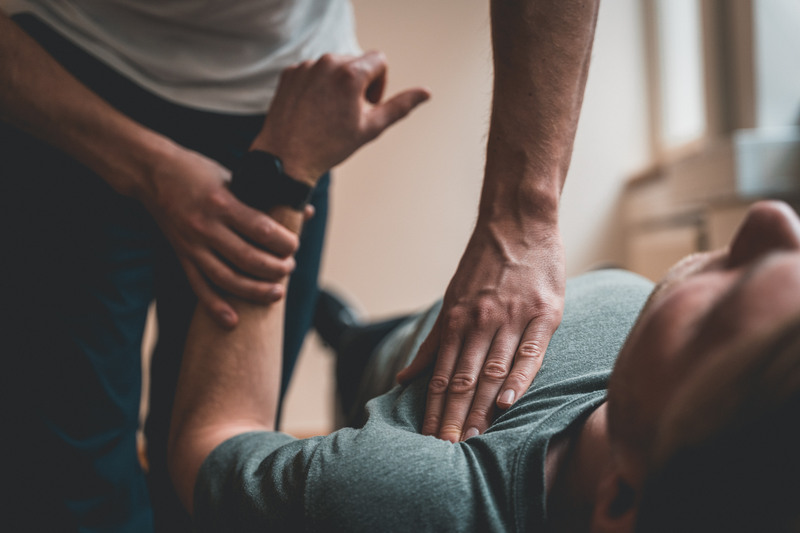
Gentle and exploratory is how any hands-on treatment during the first session remains. Manual therapy techniques might be demonstrated, but intensive treatment usually waits until the second or third visit. Pain relief strategies get discussed, including proper use of heat, ice, and positioning for comfort. Conservative initially is how the approach stays, allowing your body to respond gradually. Some patients receive gentle exercises to start immediately; others are advised to rest specific areas for a few days. Based on your individual response and comfort level is how the treatment plan gets customized.
Exercise Prescription and Home Program
Two or three specific exercises to begin at home is what most patients leave with. Careful selection of these movements is based on your assessment findings and current pain levels. Gentle mobility or basic strengthening is what the exercises usually focus on, depending on your condition. Written instructions and sometimes photos are provided to ensure proper technique. Each exercise is demonstrated by your physiotherapist and you’re watched performing it correctly before you leave. A foundation that gets built upon during subsequent visits is what the home program serves as. Interesting how that works.
Setting Expectations and Next Steps
Before you leave, realistic timelines for improvement are discussed openly. A straight line is rarely what recovery follows, and understanding this helps prevent frustration during the healing process. Your specific condition and treatment goals are what follow-up appointment scheduling depends on. Some patients benefit from twice-weekly visits initially; weekly sessions work well for others. Flexible is how the treatment plan remains and gets adjusted based on your progress and response. Confidence about the path forward and readiness to take the next step in your recovery will be ensured by your physiotherapist at Oshawa Wellness. Visit our website to schedule your first appointment and begin your journey toward better movement and reduced pain.
FAQ:
Q: Do I need to bring anything special to my first appointment? Look, the basics are pretty straightforward. Comfortable clothing that allows easy movement works best. Processing of your health card gets done at the front desk. Any recent imaging results or reports from your doctor can be helpful. That still surprises people.
Q: Will there be hands-on treatment during the first visit? Fair point to ask ahead of time. Some gentle manual therapy often happens, but it’s usually exploratory rather than intensive. Understanding your condition first is where the focus stays. Most of the physical work gets saved for subsequent sessions.
Q: How much should I expect to pay? Funny enough, physiotherapy visits are covered partially or completely by many insurance plans. Direct billing is handled for most major providers in Oshawa. Your coverage can be verified by the front desk team before you start treatment.
Q: What if I’m pregnant or have multiple health conditions? Your specific situation is what the assessment process gets tailored to. Different protocols entirely are followed by prenatal physiotherapy. Multiple conditions are addressed systematically, with safety being the primary consideration throughout.