
Understanding What Acupuncture Treats
A surprisingly wide range of health concerns are addressed by acupuncture. For many adults in Oshawa, joint pain tops the list; particularly those dealing with arthritis or chronic back issues. Specific points that correspond to pain pathways in your nervous system are stimulated by the treatment. This stimulation helps reduce inflammation and promotes natural healing responses, research suggests.
Another major area where acupuncture proves helpful is represented by pregnancy-related conditions. With gentle needle placement, morning sickness, sciatica, and sleep disturbances are commonly treated. Relief when other options feel limited is found by many expectant mothers. For centuries, the approach has been used safely during pregnancy, though it’s always wise to work with experienced practitioners.
Your First Visit: What Actually Happens
Walking into an acupuncture clinic for the first time can feel a bit uncertain. A detailed health history will be started by your practitioner, asking about your symptoms, lifestyle, and previous treatments. Usually 15-20 minutes is taken by this conversation, and it helps them understand your specific needs.
The physical examination comes next. Your pulse might be checked by your practitioner, your tongue looked at, or areas where you’re experiencing pain examined. Traditional diagnostic methods that have been refined over thousands of years are followed by these assessments. Don’t worry if some questions seem unrelated to your main concern.
The Treatment Process Itself
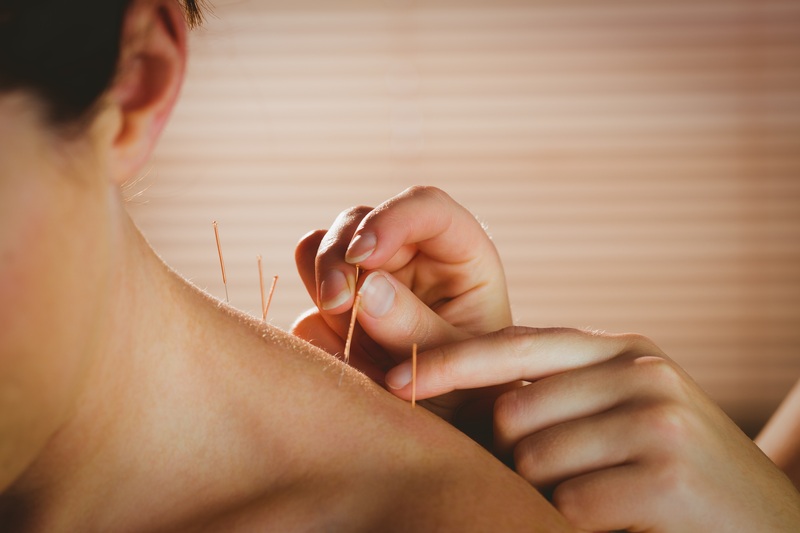
Once enough information has been gathered by your practitioner, the actual treatment begins. On a treatment table you’ll lie comfortably while thin needles at specific points are inserted by them. How little they feel during insertion surprises most people. Much finer than those used for blood draws or injections are the needles.
After all needles are placed, you’ll rest quietly for 20-30 minutes. This time is found deeply relaxing by many patients, and some even fall asleep. The needles might be adjusted occasionally by your practitioner or gentle stimulation applied. Much calmer than people expect going in tends to be the whole experience. Funny thing, really.
What to Expect After Treatment
Following your first session, various responses might be noticed by you. Energized is how some people feel, while a sense of deep relaxation is experienced by others. Normal is mild soreness at needle sites and usually fades within a few hours. Generally considered positive signs that your body is responding to treatment are these reactions.
A treatment schedule based on your specific condition will likely be recommended by your practitioner. Quickly might acute issues improve, while several weeks of regular sessions are often required by chronic problems. With you to develop a realistic timeline that fits your schedule and budget, most practitioners in Oshawa work.
Safety and What Makes a Good Practitioner
Remarkably safe when performed by qualified professionals is acupuncture. Sterile and single-use should be all needles, and strict hygiene protocols should be followed by your practitioner. Registered with the College of Traditional Chinese Medicine Practitioners and Acupuncturists must be acupuncturists in Ontario.
Look for practitioners who take time to explain their approach and answer your questions thoroughly. What they’re doing during treatment will be discussed by good acupuncturists and they’ll check in about your comfort level. Clear about expected outcomes and realistic timelines for improvement should they also be.
Making Acupuncture Work for Your Life in Oshawa
Complicated doesn’t have to be integrating acupuncture into your wellness routine. That scheduling regular sessions helps them manage chronic conditions more effectively than relying solely on medications is found by many people in Oshawa. Other therapies like physiotherapy or chiropractic care are often complemented by the treatment.
Your schedule and budget when planning treatment frequency should be considered. Flexible appointment times are offered by most practitioners, and they can work with you to find an approach that fits your lifestyle. Consistency is the key, particularly for ongoing issues like joint pain or stress management. If you’re ready to explore how acupuncture might help with your specific health concerns, visit our website to learn more about our approach to care in Oshawa.
FAQ
Q: Does acupuncture actually work for joint pain? Various types of joint pain, including arthritis and chronic back issues, can be addressed effectively by acupuncture, research indicates. Natural pain-relieving chemicals in your body appear to be triggered by the treatment. Noticeable improvements after several sessions are reported by many patients in Oshawa. Not a magic cure, though.
Q: What conditions do pregnant women use acupuncture for? Unique challenges that pregnancy brings are often addressed well by acupuncture. Morning sickness, back pain, and sleep issues are commonly treated. When performed by qualified practitioners, the approach is considered safe. That still surprises people.
Q: Will the needles hurt? Fair point to ask. A slight pinch or tingling rather than actual pain is how most people describe the sensation. Much thinner than those for injections are the needles used. Some points might feel more sensitive than others.
Q: How long before I see results? Look, this varies quite a bit between individuals. Changes after their first session are noticed by some, while several treatments are needed by others. More time than acute issues is typically required by chronic conditions. Realistic timelines during your consultation will be discussed by your practitioner.