
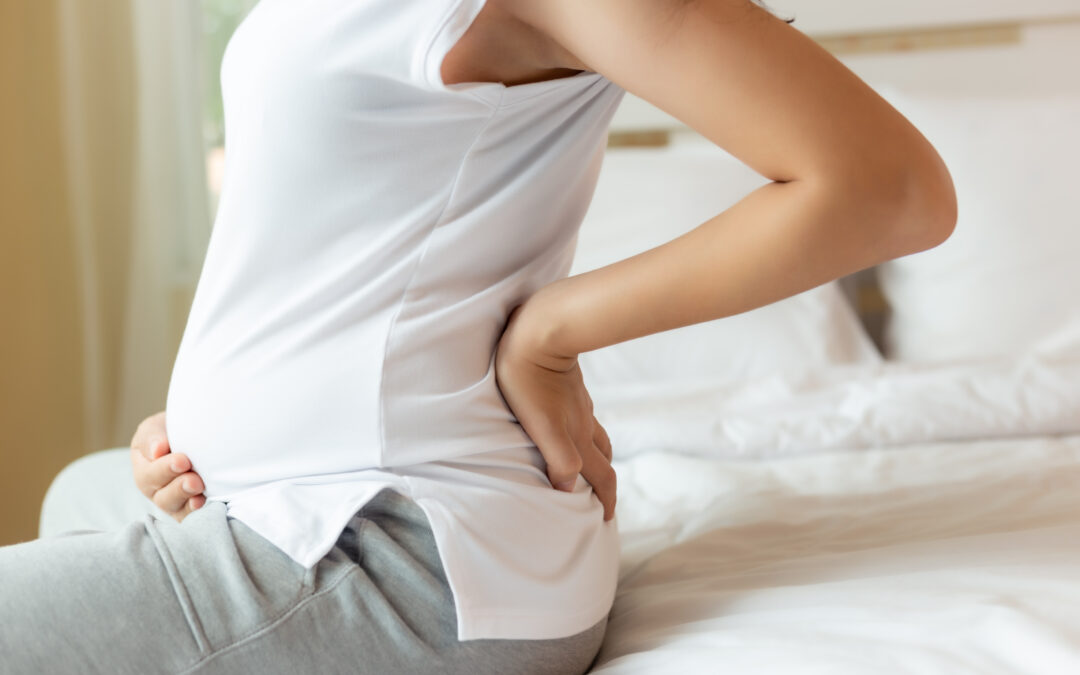
Understanding Why Pregnancy Causes Back and Pelvic Pain
Your body is transformed by pregnancy in remarkable ways, but discomfort often comes with these changes. Your center of gravity gets shifted forward by the growing baby, causing your lower back to arch more than usual. Plus, ligaments throughout your pelvis are loosened by the hormone relaxin to prepare for delivery. Instability is created by this combination in areas that normally provide solid support. The pain is noticed by many women in Oshawa starting around their second trimester, sometimes. The discomfort isn’t just in your head; it’s a very real response to significant physical changes.
Safe Stretching and Exercise Options
Gentle movement can be your best friend during pregnancy. Your spine is mobilized by cat-cow stretches while core muscles that support your back are strengthened by pelvic tilts. Swimming is particularly beneficial because your body weight is supported by water while full range of motion is allowed. According to available data, back pain is reduced in roughly 60% of participants through prenatal yoga classes. But not every exercise is pregnancy-safe. Activities that require lying flat on your back after the first trimester should be avoided.
The Power of Proper Posture
A significant difference can be made by small adjustments to how you sit, stand, and move. When sitting, a small pillow should be used behind your lower back and your feet kept flat on the floor. Extra strain is put on your spine by standing for long periods, so shift your weight frequently or use a footstool. One patient mentioned that her daily pain was reduced by half simply by being mindful of her posture while grocery shopping in Oshawa. Your body is working harder than usual; these little supports matter more than you might expect.
Heat Therapy and Comfort Measures
Tense muscles are relaxed by warmth and blood flow to painful areas is improved. Both physical discomfort can be eased and sleep improved by a warm bath before bed. Heating pads on low settings are generally safe for 15-20 minute sessions. The most relief is found by many women through alternating between gentle heat and cool compresses. From what we’ve seen, consistency matters more than intensity when it comes to comfort measures. Even a warm shower can help reset your pain levels for several hours.
When to Seek Professional Help
Professional guidance becomes important when home remedies aren’t enough, to be fair. Specific exercises can be taught and manual therapy techniques provided by physiotherapists trained in prenatal care. Modified approaches that are safe during pregnancy are used by prenatal chiropractors. Relief is also found by some women through acupuncture, which has been used safely during pregnancy for centuries. In many cases, a combination of approaches works better than relying on just one method. If you’re in the Oshawa area and dealing with persistent pain, professionals who understand prenatal wellness can be connected with you by visiting our website.
FAQ:
Q: When should I worry about pregnancy back pain? Severe pain that doesn’t improve with rest, pain accompanied by fever, or sudden onset of intense discomfort should be evaluated immediately. Most pregnancy-related back pain is manageable. That still surprises people.
Q – Is it safe to use heat for pregnancy back pain? Look, warm baths and heating pads on low settings are generally considered safe for short periods. Hot tubs or saunas should be avoided. Always check with your healthcare provider first.
Q: Can prenatal chiropractic care help? Fair point – many women find relief through prenatal chiropractic treatments. Techniques specifically adapted for pregnancy are used by these specialists. Not all chiropractors have this training though.
Q: Will the pain go away after delivery? Funny enough, most pregnancy-related back pain resolves within a few months postpartum. Time is needed by your body to readjust as hormones normalize and core strength returns.